Why You Should Read "The Scarlet Letter" by Nathaniel Hawthorne, 1850
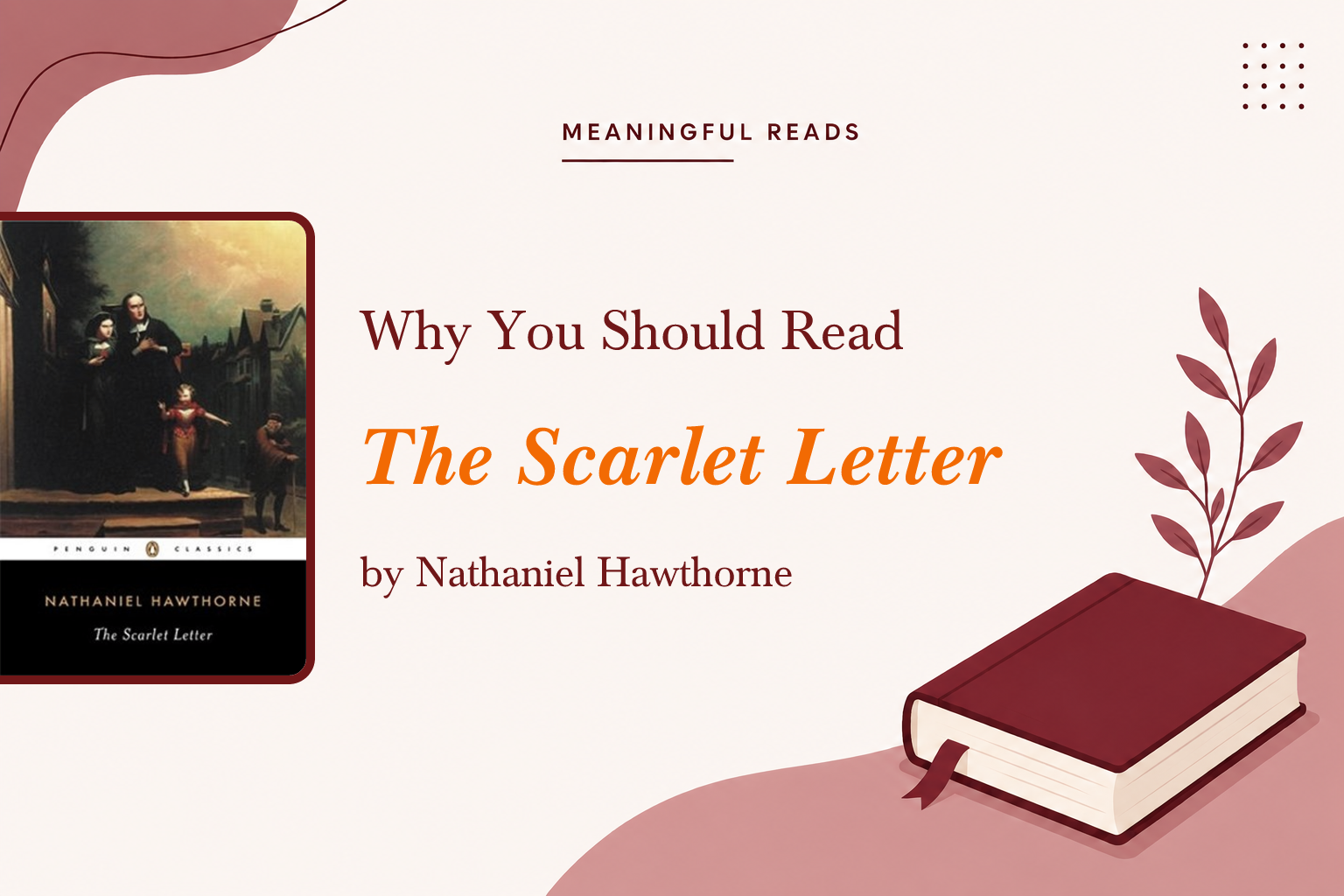
Why You Should Read This Book?
Why should you immerse yourself in the world of "The Scarlet Letter"? This enduring classic unravels the profound and complex themes of sin, guilt, and redemption, masterfully woven into the life experiences of Hester Prynne against the rigid backdrop of Puritan Massachusetts. Hawthorne’s vivid storytelling invites you into a richly atmospheric and brooding setting that lingers with symbolic resonance and psychological depth, making it far more than just a story – it’s an exploration of the human condition itself.
The power of Hawthorne’s narrative lies in its timeless examination of morality, personal integrity, and the often crushing weight of societal judgments. As you turn the pages, you will be drawn into a poetic, hauntingly beautiful tapestry that transcends the era it portrays. Each sentence is steeped in literary elegance and moral complexity, challenging you to reflect deeply on questions of right and wrong, compassion and condemnation.
From the very first chapters, the novel establishes an atmosphere that is both oppressive and evocative, filled with tension and symbolic meaning that resonates across centuries. It makes you ponder the nature of punishment and forgiveness in a world that often judges without mercy. This book is not only a narrative but a deeply moving experience that touches on universal themes that remain relevant today, urging readers to consider their own values and perspectives.
Venturing into "The Scarlet Letter" means embracing a story that is as much a psychological study as a social critique, a literary masterpiece that balances emotional depth with intellectual challenge. It isn’t just a historical novel — it’s an invitation to understand the subtle interplay between individual identity and societal expectations. Hawthorne’s eloquent prose and layered symbolism create an atmosphere where every page turned deepens your connection with the characters and themes, making it a uniquely enriching read.
Who is This Book For?
- Those captivated by classic American literature and complex moral dilemmas
- Readers who appreciate stories rich in symbolism and embedded within historical contexts
- Anyone searching for profound insights into human nature, societal pressures, and the capacity for resilience
About the Book
"The Scarlet Letter" unfolds the compelling journey of Hester Prynne, a woman forced to carry the mark of a secret sin in the unforgiving Puritan society of seventeenth-century New England. Hawthorne artfully chronicles her trials of shame and alienation, as well as her steadfast strength and evolving inner dignity amidst harsh judgment. The setting — a strict, somber world governed by rigid beliefs — feels alive, haunting, and suffused with suffocating moral authority.
At its core lies a profound inquiry into themes of guilt, punishment, and compassion, rendered with a poetic tone that invites readers to engage both emotionally and intellectually. The narrative delicately balances the personal stories of characters with universal questions about justice and redemption.
Hawthorne’s language glows with symbolic richness, painting scenes charged with meaning and subtlety. The oppressive atmosphere of Puritan New England and its paradoxes — between public condemnation and private suffering — underline the novel’s exploration of human frailty and strength. Almost two centuries after its initial publication, the story remains poignant and provocative, offering fresh insights with every read. It challenges readers to reflect on the nature of humanity, the intricacies of personal honor, and the enduring struggle for self-acceptance in the face of societal constraints.
About the Author
Nathaniel Hawthorne (1804–1864) is a towering figure in American literature, celebrated for his profound exploration of dark romantic themes and moral allegories. Rooted in the Puritan legacy that shaped his ancestry, Hawthorne’s works frequently delve into the tensions between sin, morality, and human nature, weaving stories that are both intellectually stimulating and emotionally resonant.
His narrative style is distinguished by its poetic intensity and psychological insight, marrying beautiful, evocative language with deep observations on the human psyche. Hawthorne’s unique literary voice has immortalized him as a pioneer of American fiction, standing alongside the greatest authors of his era.
Throughout his career, he challenged conventions by examining the complexity of ethical choices and the often ambiguous nature of good and evil. This focus endowed his stories with a timeless appeal, making them subject to perennial study and appreciation. "The Scarlet Letter," as perhaps his most famous work, showcases these defining elements powerfully and remains a staple in both literary and academic circles.


Comments
Post a Comment