Why You Should Read "The Picture of Dorian Gray" by Oscar Wilde, 1890
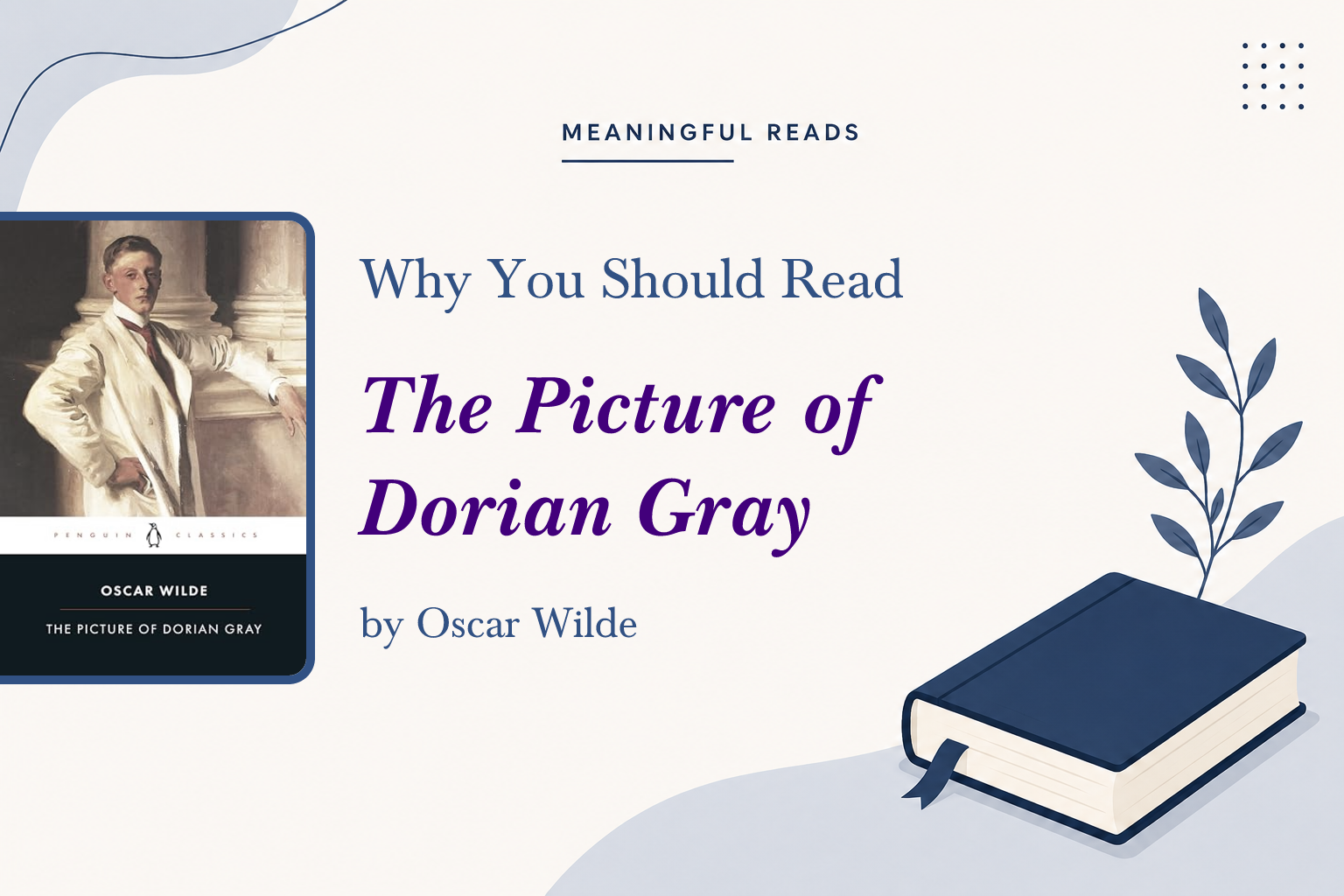
Why You Should Read This Book?
Why should you immerse yourself in "The Picture of Dorian Gray"? This remarkable novel is far more than just a tale of supernatural intrigue; it is a profound exploration of beauty, morality, and the complexities of human nature. Through its provocative narrative, the book confronts timeless questions about aging, worth, and the consequences of a hedonistic lifestyle, inviting readers on a journey that stimulates both the mind and the heart.
Wilde's writing dazzles with wit and intellectual depth, perfectly balancing an engaging story with philosophical inquiry. His elegant prose crafts an atmosphere that is at once enchanting and unsettling, wrapping readers in a world where appearances deceive and inner darkness lurks beneath the surface. This masterful blend makes the novel an engrossing experience that lingers long after the last page.
Reading "The Picture of Dorian Gray" offers an opportunity to reflect on your own values and the cultural preoccupations with youth and beauty. It is a book that does not merely entertain but also challenges societal norms and provokes a deeper understanding of the eternal tension between outward appearance and inner reality.
Who is This Book For?
- Readers who cherish philosophical themes intricately woven into captivating and immersive stories
- Fans of classic literature who appreciate moral allegories enriched by sophisticated and poetic language
- Individuals fascinated by explorations of vanity, conscience, and the sometimes dark facets of human nature
About the Book
"The Picture of Dorian Gray" tells the fascinating story of a strikingly handsome young man whose secret lies in his portrait — while he remains eternally youthful, it is the painting that absorbs the passage of time and the toll of his moral decay. Wilde expertly constructs a gothic and mysterious atmosphere, imbuing the narrative with an air of both allure and menace.
The novel intricately examines themes of superficial beauty, decadence, and the pitfalls of pursuing pleasure without restraint. Set against the backdrop of Victorian society, the story serves as a sharp social critique, exposing the dangers of narcissism and the consequences of living a life solely guided by desire and appearance.
Wilde’s masterful style shines in the book’s blend of dark romanticism and biting wit, making the reading experience one of rich texture and emotional resonance. As you navigate through his provocative narrative, you’ll find yourself questioning the true nature of morality and the soul's vulnerability to corruption — all without sacrificing the compelling pace of a captivating classic.
About the Author
Oscar Wilde was an Irish poet, playwright, and literary icon celebrated for his dazzling wit, flamboyant personality, and sharp social commentary. Born in 1854, he became one of the most influential voices in Victorian-era literature, earning acclaim for his unique ability to combine biting satire with lyrical beauty.
Known for his clever epigrams and memorable storytelling, Wilde explored themes of aesthetics, morality, and societal hypocrisy across many genres. "The Picture of Dorian Gray" stands as a testament to his genius, capturing his flair for drama, wit, and his fearless interrogation of cultural norms.
Wilde’s life was as colorful as his works — marked by brilliance, scandal, and resilience, he remains a seminal figure whose writing continues to inspire and challenge readers worldwide. Through this novel, readers can experience Wilde's remarkable voice and his enduring contribution to literary history.


Comments
Post a Comment