Why You Should Read "A Passage to India" by E. M. Forster, 1924
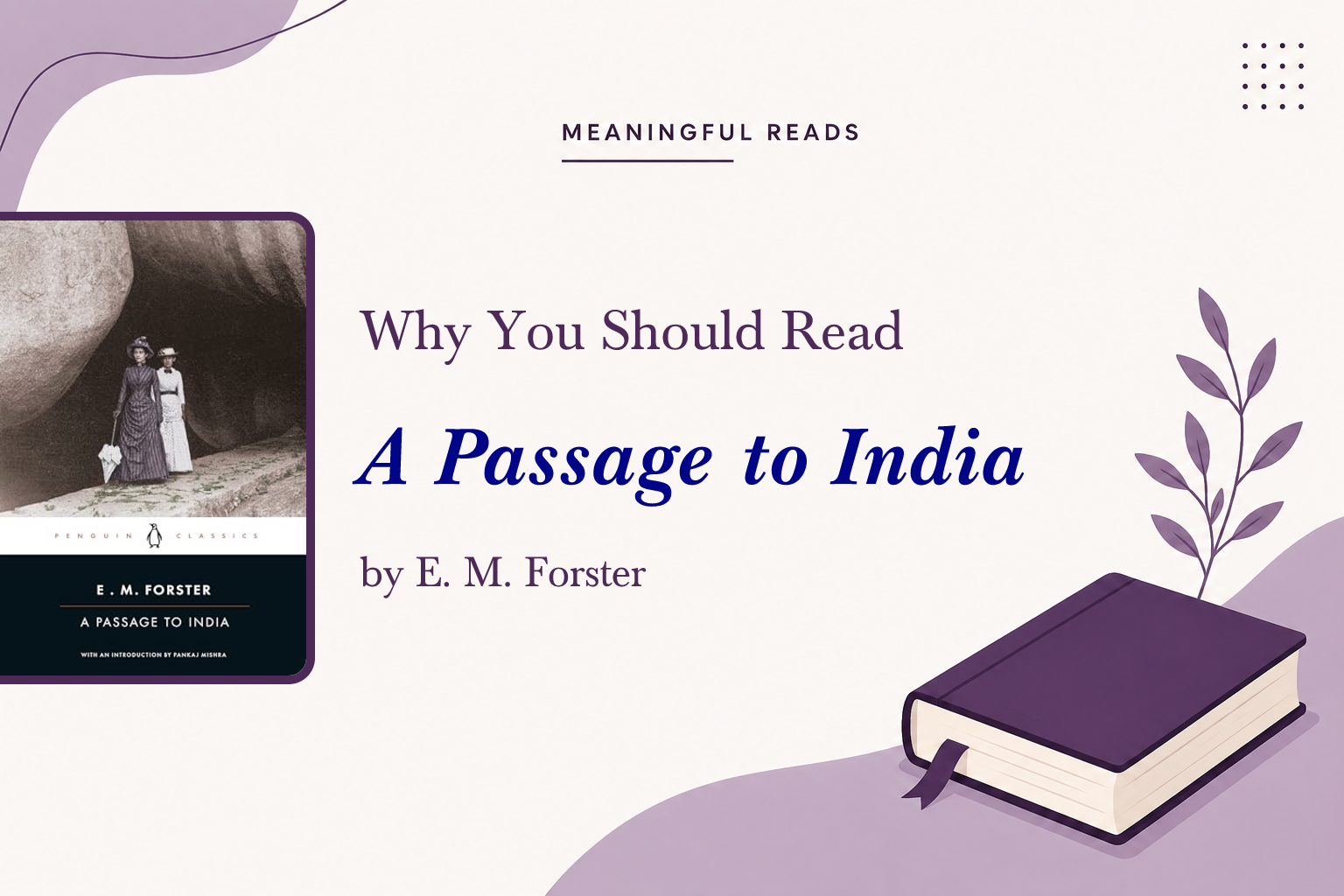
Why You Should Read This Book?
Why should you embark on the journey through 'A Passage to India'? This novel is not simply a story; it’s an immersive experience that invites readers to delve deep into the complex cultural tensions and human relationships set against the evocative backdrop of colonial India. Through exquisitely crafted prose and riveting characters, Forster masterfully uncovers the nuances of understanding and misunderstanding among diverse groups, shedding light on the often unseen social and spiritual divides that continue to influence our world today.
Diving into this book means entering a world that balances the subtle interplay between the exotic allure of India’s landscapes and the raw, sometimes stark, realities of colonial rule. Every page encourages profound reflection on how individuals navigate the turbulence of cultural encounters, prejudices, and the yearning for genuine human connection. It is a timeless piece that resonates with universal themes, making it a contemplative and thought-provoking read that stays with you long after the last page.
With its elegant narrative and rich atmosphere, 'A Passage to India' skillfully captures moments of tension and tenderness alike, inviting readers to appreciate the depths of empathy possible amidst division. For anyone looking to expand their literary horizons or to engage with themes that remain deeply relevant in today’s global society, this novel offers an unforgettable literary journey.
Who is This Book For?
- Readers interested in colonial history and cross-cultural interactions who wish to gain a nuanced perspective on British-Indian relations during a pivotal era.
- Those who enjoy richly developed characters and nuanced storytelling that explores personal dilemmas, societal pressures, and the fragile nature of human bonds.
- Anyone seeking a contemplative, atmospheric novel that intertwines philosophical undertones with poetic descriptions and insightful social critique.
About the Book
'A Passage to India' is a poignant and multi-layered narrative set in the 1920s, capturing the intricate and often strained dynamics between the British colonizers and the Indian subjects. The story unfolds through multiple perspectives, giving voice to an array of characters whose hopes, fears, and misunderstandings illustrate the profound cultural divide that marks this historical moment.
The novel's atmosphere balances an enchanting depiction of India’s majestic landscapes and diverse cultures with a sharp, critical examination of the colonial social framework. Forster’s elegant prose evokes the senses and emotions, painting scenes that range from intimate personal interactions to broader societal conflicts. The writing embraces poetic subtlety, weaving social commentary seamlessly with philosophical musings.
This book challenges readers to consider the challenges and possibilities inherent in cross-cultural understanding. It reflects the spiritual and social rifts that complicate relationships but also subtly suggests pathways toward empathy and connection. The narrative resists simple resolutions, instead presenting a rich tapestry of human experience, marked by both division and shared humanity.
About the Author
Edward Morgan Forster (1879–1970) was a distinguished British novelist, essayist, and literary critic renowned for his insightful portrayals of social change, morality, and the human condition. His works often explore themes of class conflict, human connection, and the search for spiritual and personal meaning within complex societal frameworks.
Forster’s literary career spanned several decades, during which he established himself as a master of character development and narrative subtlety. His writing is characterized by precise storytelling, reflective philosophical depth, and compassion for his characters’ inner struggles. 'A Passage to India' stands as one of his most celebrated novels, widely regarded for its profound social commentary and enduring relevance.
Beyond his novels, Forster contributed extensively to essays and criticism, enriching literary discourse with his thoughtful perspectives on imperialism, culture, and humanity. His legacy endures as a key figure in 20th-century English literature, inspiring readers to contemplate the intricacies of human relationships amidst changing times.


Comments
Post a Comment