Why You Should Read "Buddenbrooks" by Thomas Mann, 1901
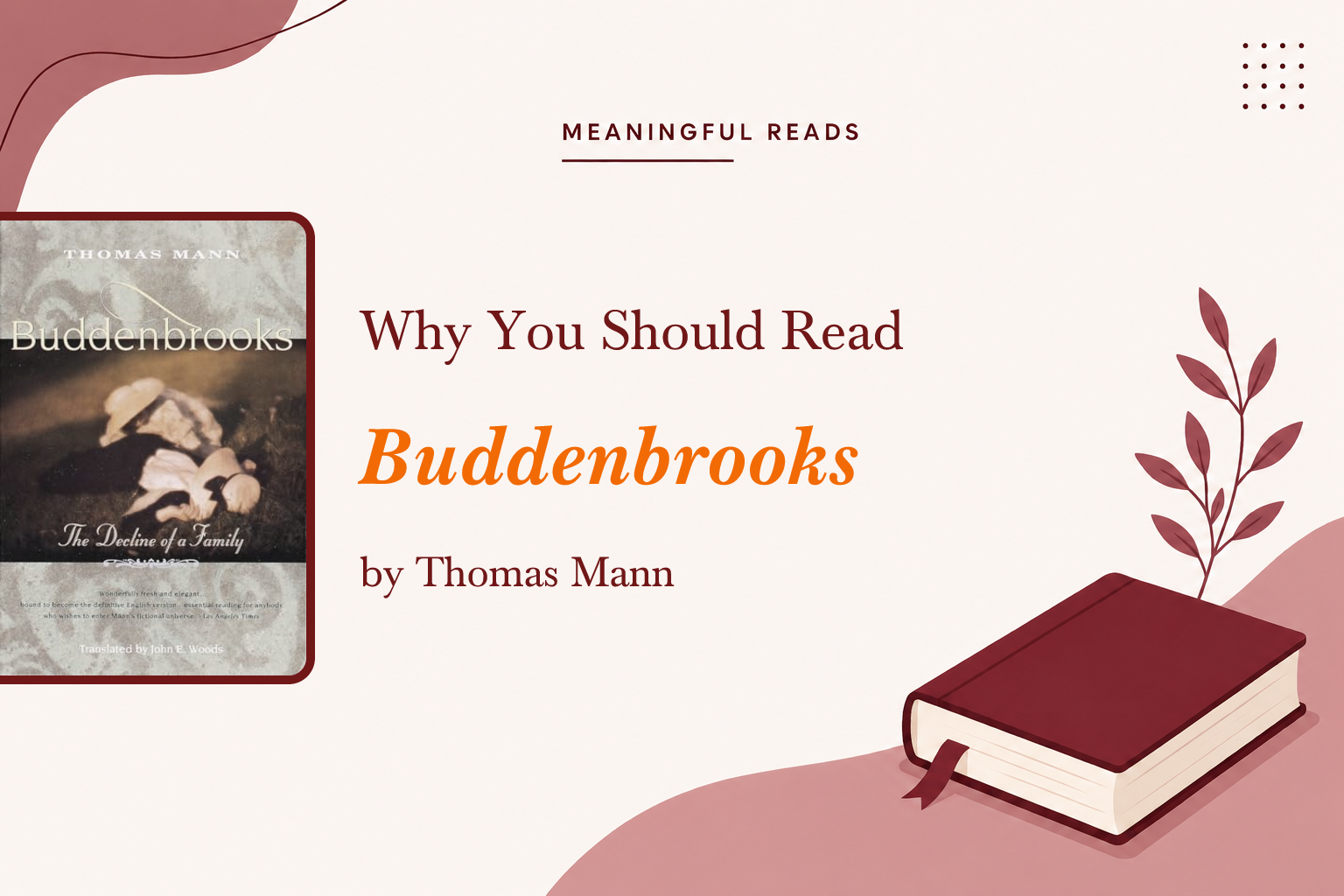
Why You Should Read This Book?
Why should you delve into 'Buddenbrooks'? This novel serves as a remarkable window into the intricately woven lives of a merchant family whose journey echoes the sweeping tides of societal and economic evolution. Thomas Mann’s masterful storytelling brings to life the profound tensions between tradition and modernity, personal ambition and family allegiance, enriching the reader with a vivid historical panorama that is as emotionally compelling as intellectually stimulating.
The narrative is drenched in elegant prose and an immersive atmosphere that paints every setting and character with the brush of meticulous detail. Its reflective tone encourages readers not just to witness events, but to ponder on the nature of change and the fragility of human endeavors within the relentless march of time. Whether you admire rich historical contexts or are drawn by psychological depth, this novel offers a profound reflection on human nature and societal transformation that makes it timeless.
With emotional nuance and a rich tapestry of family history, this book invites you on a journey that is at once intimate and broad, personal and universal, making it a rewarding treasure for any lover of great literature who is eager to explore the complexities of human experience woven through history’s fabric.
Who is This Book For?
- Those who appreciate sweeping family sagas marked with detailed and vivid character studies
- Readers fascinated by early 20th-century European society, culture, and historical developments
- Enthusiasts of literary classics imbued with profound philosophical pondering and psychological insight
About the Book
'Buddenbrooks' stands as a semi-autobiographical masterpiece that chronicles several generations of the Buddenbrook family, set against the vibrant backdrop of Lübeck, Germany. The novel intricately maps their gradual decline amidst the shifting social and economic landscapes of the era, capturing the subtle interplay between personal desires and external pressures.
Thomas Mann's style in this work is both elegant and introspective, focusing deeply on character development alongside a subtle critique of society. The narrative atmosphere combines a sense of warmth and nostalgia with an undercurrent of melancholy, inviting readers to immerse themselves fully in the world of the Buddenbrooks — a reflection of both cherished traditions and the inescapable onset of modernity.
The novel's vivid descriptions highlight the beauty and complexities of German cultural heritage, contrasted against the forces transforming the family’s fortunes. Rich symbolism and meticulous prose elevate 'Buddenbrooks' beyond a mere family saga, transforming it into an enduring meditation on the passage of time, human aspirations, and societal fate. This nuanced layering offers an experience that engages the senses and the intellect alike, making it a brilliant literary achievement.
About the Author
Thomas Mann was a towering figure in 20th-century literature, celebrated for his profound explorations of human psychology, family dynamics, and the tides of societal change. Awarded the Nobel Prize in Literature, Mann's works embody a blend of philosophical depth and artistic elegance that has fascinated readers for decades.
Beyond his narrative prowess, Mann’s writings reveal an incisive understanding of cultural and moral complexities, often weaving intricate characters who embody the tensions between tradition and innovation, duty and desire. His intellectual rigor and stylistic finesse have cemented his stature as one of the most compelling voices in German and world literature.
With a career spanning novels, essays, and critical reflections, Thomas Mann’s legacy continues to influence and inspire both readers and writers. His ability to portray human nature in its multifaceted dimensions makes his works, including 'Buddenbrooks', an invaluable part of literary heritage.


Comments
Post a Comment