Why You Should Read "As I Lay Dying" by William Faulkner, 1930
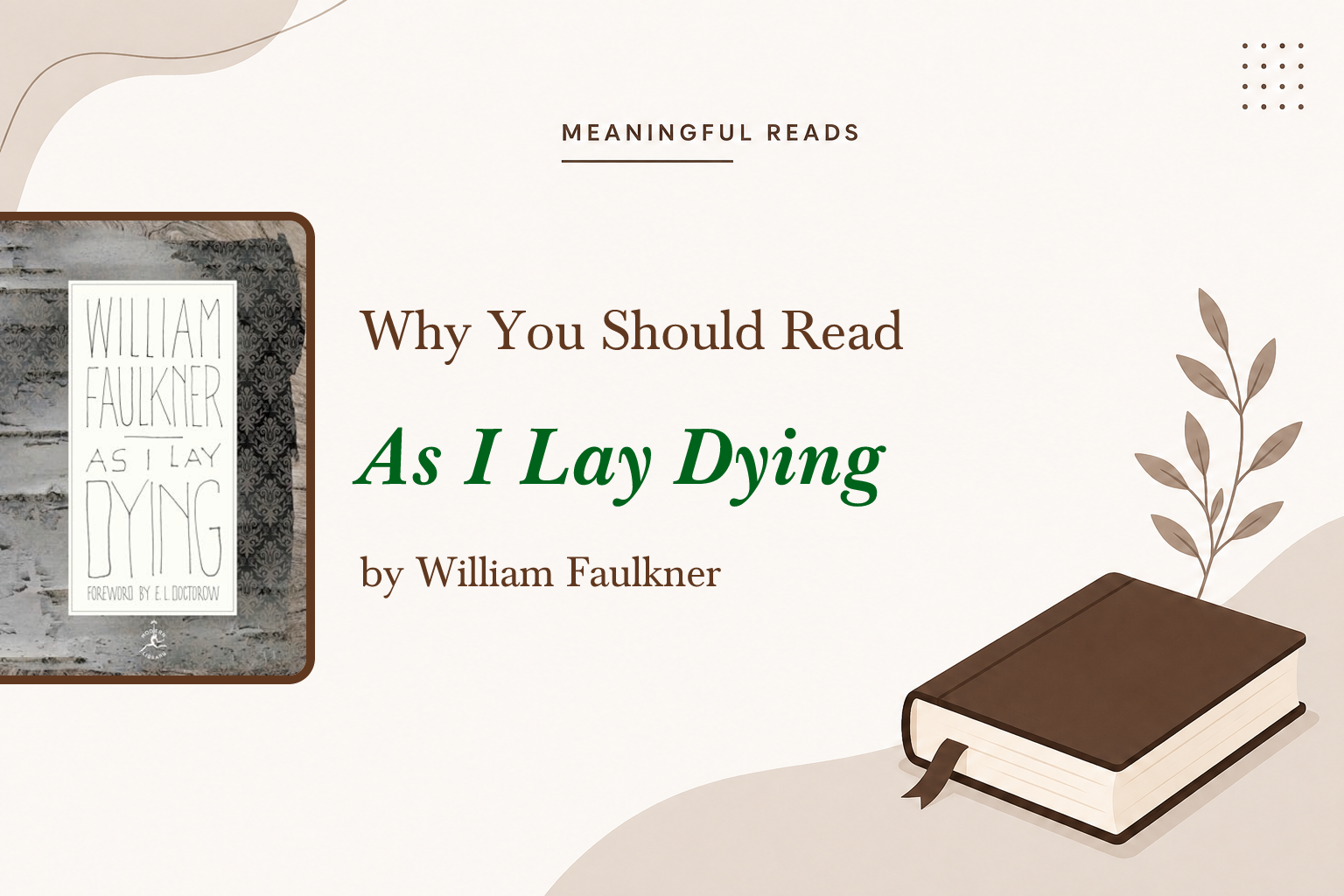
Why You Should Read This Book?
As I Lay Dying invites readers to embark on an unforgettable journey into the depths of human resilience and the complexities of family bonds. This novel offers far more than just a story—it’s an exploration of identity, suffering, and the varied paths through which people cope with grief and hardship.
With its compelling narrative structure and profound psychological insights, the book challenges you to see the world through multiple perspectives, which makes every page a rich tapestry of feelings and thoughts. The novel’s daring style and intense atmosphere illuminate the shared human experience in ways that linger long after you close the book.
Reading As I Lay Dying is not only about following the Bundren family’s harrowing journey but also about gaining a deeper understanding of the endurance required to confront personal and collective tragedies. It’s a testament to literature’s power to reflect the tangled emotions of life with heartbreaking clarity and occasional dark humor, making it a truly rewarding read.
Who is This Book For?
- Readers interested in classic American literature and innovative narrative styles
- Those who appreciate rich character development and layered storytelling
- Anyone seeking a thought-provoking book that explores deep emotional and philosophical themes
About the Book
As I Lay Dying stands as a masterpiece of modernist literature, brilliantly capturing the Bundren family’s journey across the American South to bury their beloved mother. The narrative unfolds through multiple narrators, each providing a unique window into their internal struggles, hopes, and fears. This multi-voiced technique not only enriches the storyline but also creates an intimate connection with each character’s worldview.
The atmosphere of the novel is intense and raw, skillfully mixing moments of dark humor with poignant tragedy. Faulkner’s inventive style—characterized by poetic language intertwined with stream-of-consciousness—immerses readers deeply into the characters’ minds, allowing us to experience their turmoil and determination firsthand.
Beyond the surface story, the book engages with profound themes such as family loyalty, the search for meaning in suffering, and the fragile nature of identity. Faulkner’s storytelling is textured and complex yet accessible, drawing readers into a richly felt world that reflects the universal facets of the human condition.
About the Author
William Faulkner, one of the most influential American authors of the 20th century, is celebrated for his innovative narrative techniques and richly intricate prose. His works predominantly explore the human and social fabric of the American South, a region marked by both cultural depth and historical trauma.
Faulkner’s literary genius earned him the Nobel Prize in Literature in 1949, cementing his status as a paramount figure in modernist literature. His fearless experimentation with voice, perspective, and structure reshaped the possibilities of storytelling and continues to inspire readers and writers alike.
Through As I Lay Dying and his other works, Faulkner left an indelible mark on literature, encouraging readers to engage deeply with difficult themes and experience the subtle intricacies of human emotion and thought.


Comments
Post a Comment