Why You Should Read "All Quiet on the Western Front" by Erich Maria Remarque, 1929
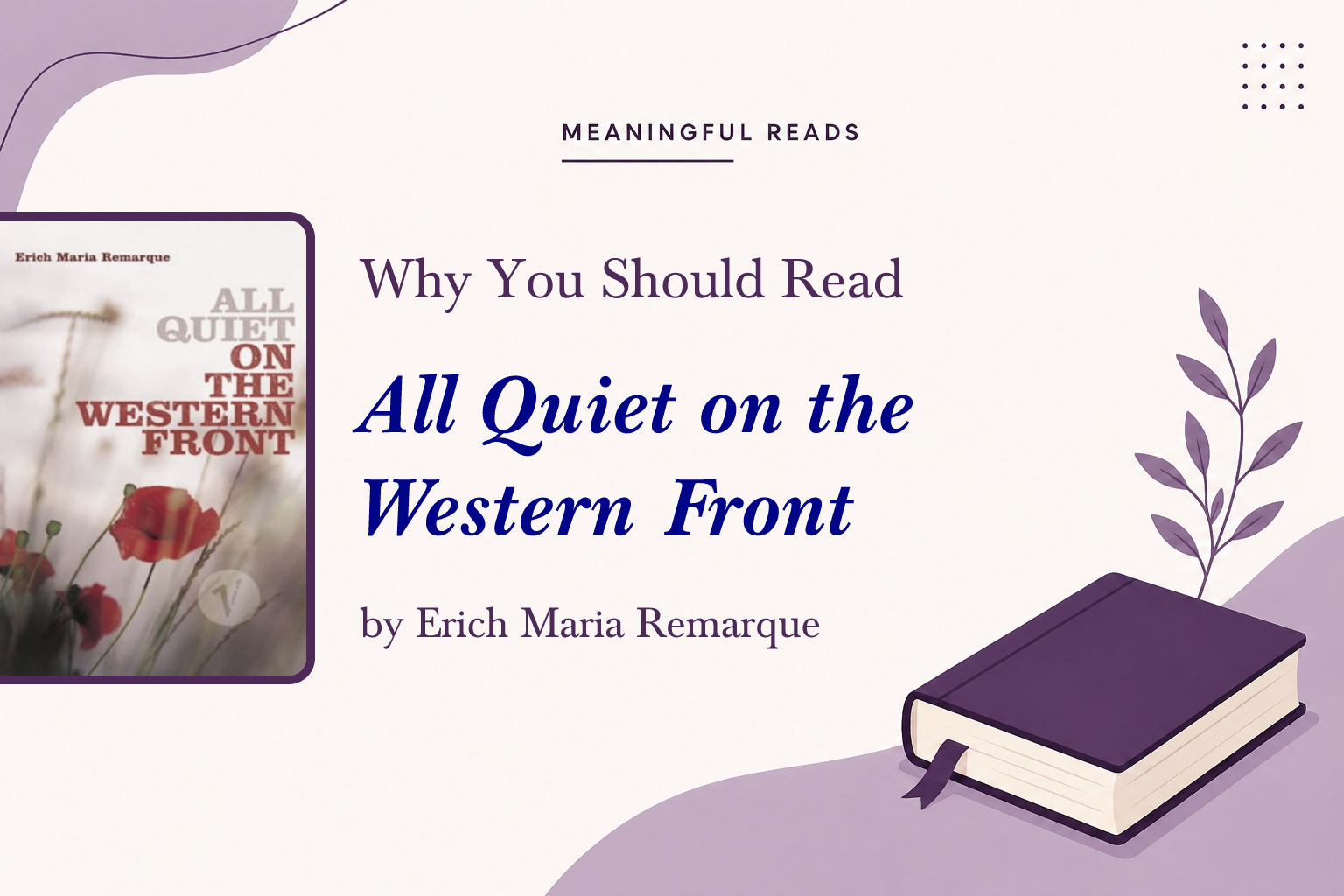
Why You Should Read This Book?
All Quiet on the Western Front is not just a war novel; it is a profound journey into the heart of human experience in times of conflict. This powerful work offers an unflinching look at the brutal realities of war, peeling back the layers of history to reveal the physical and emotional toll borne by soldiers on the front lines. Through compelling storytelling, readers are invited to confront the harsh truths about combat and its aftermath.
What makes this novel truly mesmerizing is its ability to intertwine vivid, almost poetic narrative with a raw and honest depiction of suffering and loss. It delves deep into the futility of conflict, showcasing how war strips away innocence, hope, and humanity, often leaving only despair in its wake. Yet, amidst the darkness, the novel also shines a light on moments of resilience, camaraderie, and fleeting hope, making the reading experience emotionally rich and thought-provoking.
This book is a timeless masterpiece that resonates beyond its historical setting, encouraging empathy and understanding of those who endure the horrors of war. Whether you are a lover of history, psychology, literature, or simply a seeker of profound human stories, All Quiet on the Western Front will leave a lasting impression long after the final page is turned.
Who is This Book For?
- readers interested in the true human cost of war
- anyone seeking historical novels that provoke thought and emotion
- those looking for a poignant, literary exploration of resilience and despair
About the Book
All Quiet on the Western Front, penned by Erich Maria Remarque, vividly portrays the brutal realities of World War I through the eyes of Paul Bäumer, a young German soldier undergoing the transformation from naive recruit to a hardened witness of war's horrors. The novel paints an intense and immersive picture of the front lines, blending the chaos and terror of battle with deeply personal moments of camaraderie and reflection among soldiers.
Written with stark honesty and a poetic touch, Remarque's narrative style captures the senseless brutality and disillusionment pervasive among those fighting. The atmosphere created throughout the novel is grim yet profoundly human, allowing readers to engage intimately with the internal struggles, fears, and desperate hopes harbored by the soldiers. The story transcends mere historical recount, transforming into a meditation on the tremendous cost of war — not only in lives but in lost innocence and fractured spirits.
Erich Maria Remarque, drawing on his own experiences as a veteran of WWI, infuses the narrative with authenticity and compassion. This lends All Quiet on the Western Front exceptional credibility and immediacy, inviting readers to view war through the genuine lens of those who suffered its consequences firsthand. It stands as an essential literary work that speaks loudly on the themes of loss, humanity, and the yearning for peace.
About the Author
Erich Maria Remarque was a German novelist and World War I veteran, whose own experiences deeply influenced his writing. Known for his honest and poignant portrayals of war and its aftermath, Remarque captured the emotional and physical toll of conflict in a way that few authors have matched.
His literary works often explore themes such as humanity, suffering, and peace, reflecting on the profound consequences of war on individuals and societies. Through his eloquent and compassionate storytelling, he became one of the most influential voices in 20th-century anti-war literature, resonating across generations and cultures.
Remarque's commitment to truth and empathy continues to inspire readers and remind the world of the need to remember the past to build a more peaceful future.


Comments
Post a Comment