Why You Should Read "Leaves of Grass" by Walt Whitman, 1855
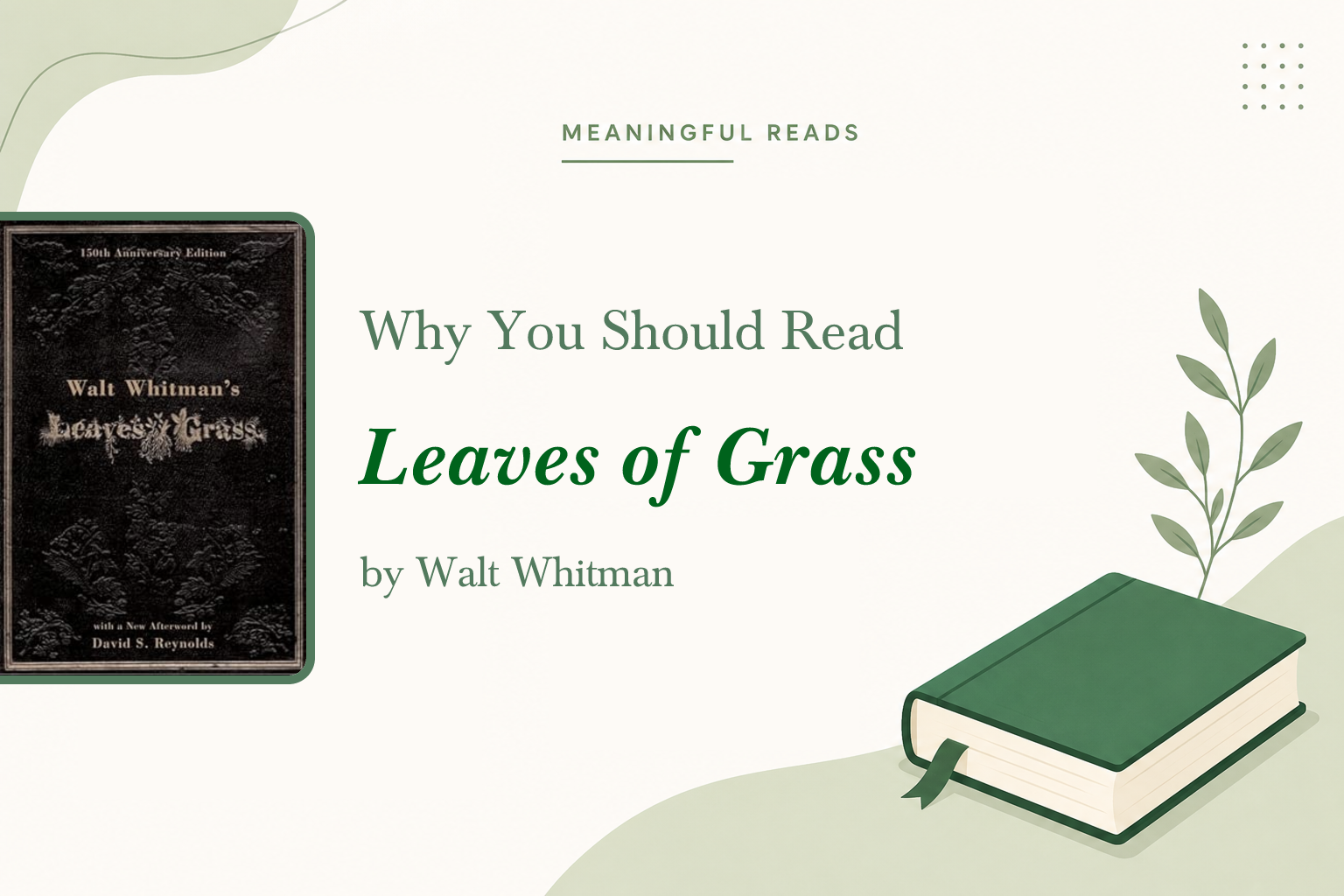
Why You Should Read This Book?
Leaves of Grass invites you to step into a world where poetry becomes a vivid, living conversation between the human spirit and the boundless beauty of nature. This masterpiece, by the revolutionary Walt Whitman, goes beyond traditional poetic confines, offering a fresh, heartfelt celebration of individuality and the democratic ideals that continue to shape our society. As you turn its pages, you'll discover verses alive with vibrant imagery and profound emotion, each poem a doorway to self-reflection and a renewed connection with the world around you.
The book's innovative style, characterized by free verse and an open, honest voice, breathes originality and passion into every line. Whitman's words resonate as a timeless call to embrace life with courage, curiosity, and openness. Reading Leaves of Grass is more than a literary experience; it's a transformative journey that enriches your perspective, stirs your emotions, and inspires a deep appreciation for the intricate tapestry of human existence and nature's wonders.
Immerse yourself in this volume and let Whitman's poetic spirit awaken your senses and ignite your imagination. Whether you're new to poetry or a seasoned reader, his groundbreaking approach not only challenges but also invites you to celebrate the complexity and beauty of life in all its forms. This is a book that promises to linger in your mind long after you've read the final verse, continuously offering new insights and inspiration.
Who is This Book For?
- Those interested in American literature and poetic innovation
- Readers seeking inspiration and a deeper understanding of human nature
- Anyone looking to explore the roots of modern poetry and democratic ideals
About the Book
Leaves of Grass is a transformative collection of poetry that shattered 19th-century conventions and introduced a fresh, authentic voice to American letters. Walt Whitman composed this work to express not only his personal reflections but also the expansive spirit of America itself—a tapestry woven from diversity, freedom, and the shared human experience. The poems reject rigid rhyme and meter, opting for a natural, flowing rhythm that mirrors the openness and dynamism of life.
The atmosphere Whitman creates is intimate, yet vast, inviting you to meditate on themes such as the interconnectedness of all beings, the sanctity of the human body, and the democratic ideals that promote equality and unity. His language is straightforward and heartfelt, making profound ideas accessible and compelling. With each poem, he crafts an immersive experience full of vivid imagery and emotional honesty, encouraging readers to find their own place within the natural and social worlds.
Throughout the book, you'll find a blend of joyous celebration and contemplative depth, as Whitman touches upon everyday moments and grand universal truths. The style is unmistakably innovative—the free verse format allows an unrestrained flow of thought and feeling, capturing the essence of an evolving America and an evolving poetic tradition. This work stands as an unparalleled achievement, influencing countless poets and thinkers and maintaining its resonance across generations.
About the Author
Walt Whitman, born in 1819, is hailed as one of America's most pioneering poets. His contributions to literature are monumental, not only for their artistic innovation but for their unwavering commitment to democratic values, individuality, and the celebration of diversity. Whitman's fearless experimentation with form and language paved the way for modern poetry, forever changing the landscape of American letters.
Throughout his life, Whitman engaged deeply with the social and political currents of his time, paralleling his poetic exploration with a strong belief in equality and freedom. His work reflects a compassionate and inclusive vision of humanity, and his influence extends well beyond the realm of poetry, inspiring artists, philosophers, and activists worldwide.
Known also as an essayist and journalist, Whitman continuously sought new ways to express the vitality of life and the importance of personal and collective identity. His legacy endures, rendering him a timeless figure whose voice continues to inspire reflection, courage, and a profound appreciation for the beauty and complexity of the human experience.


Comments
Post a Comment