Why You Should Read "Essays" by Michel de Montaigne, 1580
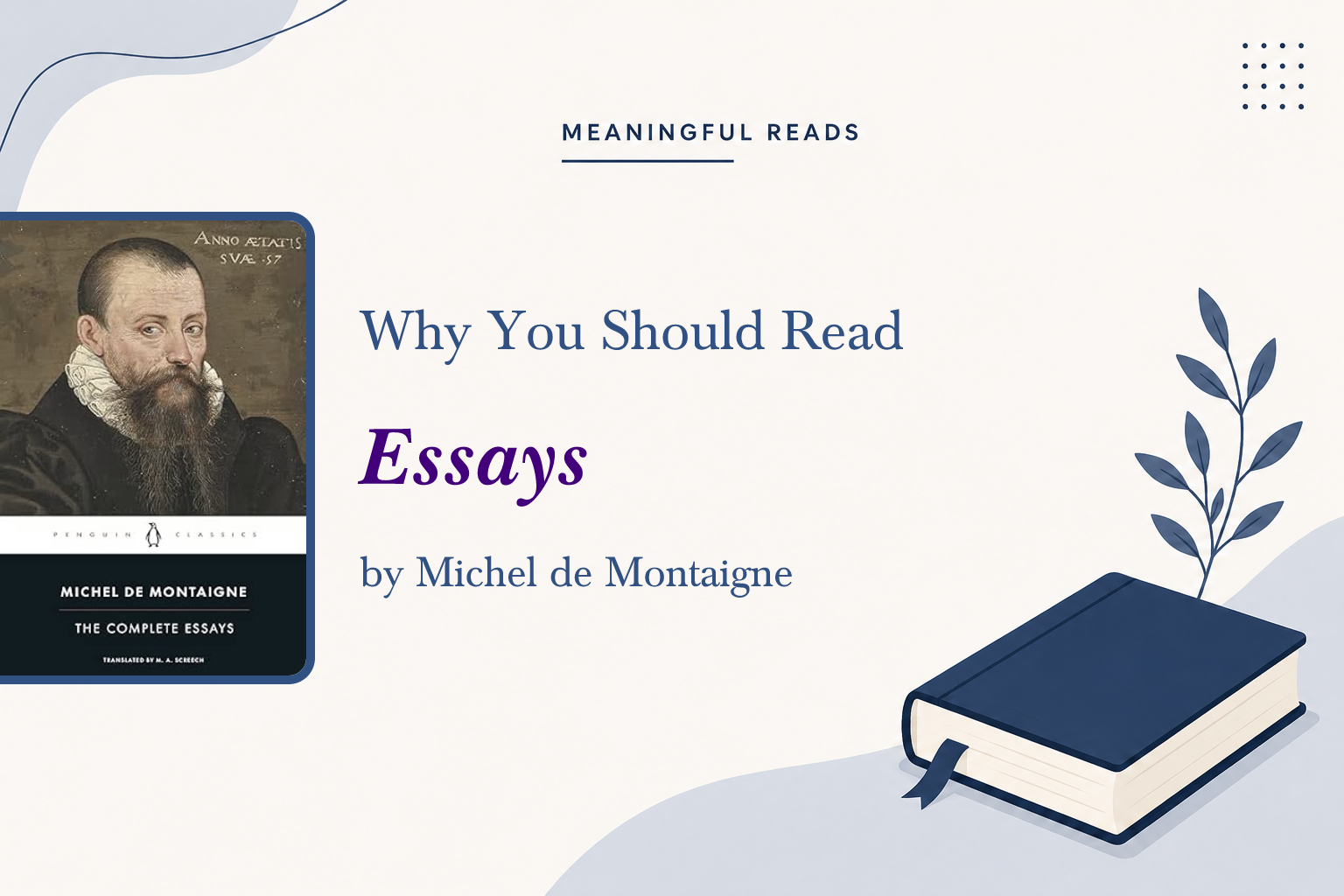
Why You Should Read This Book?
Why should you dive into Michel de Montaigne's "Essays"? Because this remarkable collection offers a timeless journey into the depths of human nature and self-reflection, making it not just a read but an experience. Montaigne’s insightful and candid musings on life invite you to pause, ponder, and engage with your own beliefs in a way few books can. His writing, though centuries old, speaks with such intimacy and relatability that it feels like a sincere conversation with a thoughtful friend.
Montaigne’s essays don’t merely present facts or rigid philosophies; instead, they unravel with wit, wisdom, and heartfelt honesty, crafting an ambiance that is both inviting and intellectually stimulating. As you turn the pages, you encounter a world where self-awareness and curiosity reign, one that invites modern readers to question assumptions, explore personal values, and embrace the complexity of life with an open mind.
Reading "Essays" is to embark on a renaissance of the spirit and intellect, connecting you to a brilliant thinker whose reflections have endured through time because they touch on universally human experiences. This book promises to inspire not only thought but transformation, making every essay a gateway to profound personal insight and a richer understanding of the world around you.
Who is This Book For?
- Those interested in philosophical reflections and personal essays
- Readers seeking to deepen their understanding of human nature and morality
- Anyone looking for thoughtful, inspiring, and timeless literature
About the Book
Michel de Montaigne’s "Essays" stands as a pioneering work of personal philosophy that invites you into a candid dialogue about the intricacies of human life. Written during the Renaissance—a period ripe with intellectual fervor—this collection covers an impressive range of subjects, from education and politics to customs and mortality, all presented with a conversational and approachable style.
Emphasizing honesty and self-awareness, Montaigne’s words foster a contemplative atmosphere that naturally draws readers in, encouraging them not only to contemplate his ideas but also to reflect on their own beliefs and biases. The prose is engaging and accessible, which makes challenging philosophical concepts feel relatable and immediate.
Celebrated for both originality and depth, Montaigne’s essays continue to resonate because they speak across centuries with authenticity and insight. Each essay is a mosaic piece of the Renaissance mindset, bridging past and present, and inviting you to embark upon a journey of curiosity and self-exploration. The style feels remarkably intimate—almost as if Montaigne were seated beside you, guiding you through the twists and turns of thought with warmth and humor.
About the Author
Michel de Montaigne (1533–1592), a French philosopher, essayist, and statesman, is widely regarded as the father of the modern essay. His pioneering approach to writing blended personal anecdote, philosophical inquiry, and introspective reflection, breaking new ground in literature by focusing on the individual human experience rather than abstract doctrine.
Influenced by the humanist ideals of the Renaissance, Montaigne embraced skepticism and valued personal experience as a path to knowledge. His work challenged the dogmatic thinking of his time and encouraged readers to approach life with an open mind and honest self-examination.
His legacy is profound, having shaped Western intellectual thought and inspired countless writers, philosophers, and thinkers. Montaigne’s ability to articulate complex ideas in an accessible, sincere manner has secured his place in literary and philosophical history, making "Essays" a treasure trove of wisdom and a testament to the enduring power of thoughtful reflection.


Comments
Post a Comment